



Philipp Senn, Head of Communications and Public Affairs, NAGRA«Literal sections from the inputs are now in the new mission statement.»
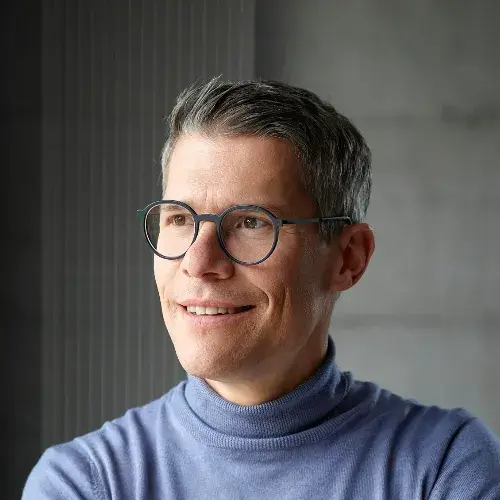
Mr. Senn, what was your reason for surveying your workforce of about 130 people here in Wettingen?
How did you want to develop a new mission statement?
Does that mean you wanted to sense: Where do people stand?
"Lighthouses": So points you wanted to communicate?
The fact that 80% of the workforce participated speaks volumes.
How did your own positions and hypotheses fare?

Are you adopting these statements from the workforce?
Yes, because it's not difficult for us to say: "Excellent, we can work with this material." After all, the inputs were not 180-degree turns. The view of our upcoming path and identification with the company are there.
There are literal sections from the inputs that are now in the new mission statement. That's a very strong signal back to the workforce. For example, the sentence: "Knowledge deeply anchored, responsibility broadly considered."
How did you handle the information from the final report?
An important point. Are there others?
There were statements about a forward-looking mindset: a confident approach to the project, a courageous approach to the next phases, respectful, transparent collaboration within the team and with stakeholders. These were the core statements that our mission statement will express.
And beyond that, we can also draw additional insights from the dialogue that don't necessarily flow into the mission statement, but are interesting for leadership work in the company.
What is the central element that made this a success?
The dialogical element. That you seek development ideas and let yourself be guided by this "crowd intelligence" – in a company that might otherwise be characterized more by hierarchical processes. This dialogical approach to the question "Who are we really?" appeals to people.
But also the flexibility in the survey. A typical survey you practically have to conduct in one go, otherwise you lose the data. Here it's a process, almost a game. You go in for three minutes today and ten the day after tomorrow. It's a living process, a "dynamic prioritization" – that hits the nail on the head.