

More than a customer survey
Customers show their priorities when they stay or leave. The Customer Dialogue shows them to you beforehand. Your customers, dealers or points of sale write anonymously, in their own words, what matters to them and rate the contributions of others. Beyond customer satisfaction, you get a ranking: what keeps customers with you, what they are missing and where to invest first. You also get a decision matrix of importance and consensus with the actions your customers propose themselves.
for marketing and management
A focus group with everyone affected.
Except it isn't the loudest voices that decide what matters.
You often know what individual customers want. What matters most to all of them, rarely.
The ranking shows which concerns to tackle first.
Product-Market Fit
You know what individual customers want. What matters most to all of them, rarely. Your customers show you which three of twenty wishes count first: what is missing, what is dispensable and what they would use right away.
Churn Analysis
Find out why customers leave before the next ones do. And what keeps the others with you.
Campaigns and Messages
Whether a message works is decided not by the agency or the executive board, but by your customers. Before launch, you know which messages land and which miss.
Point-of-Sale Check
Whether someone buys is decided at the point of sale. Your customers tell you directly what convinces them there, what holds them back and where you should invest first. If you wish, you can include your points of sale as well.
Frequently Asked Questions
What is the difference between a Customer Dialogue and a customer survey?
A customer survey measures satisfaction with predefined answers. In the Customer Dialogue, customers, dealers or points of sale write in their own words what matters to them and weigh each other's contributions blind. You learn why people buy, hesitate or leave.
How is it different from a focus group?
A focus group offers depth with a few people. The Customer Dialogue adds breadth: everyone takes part, anonymously and on equal terms. What counts is the argument, not who makes it.
How does a Customer Dialogue work, and how long does it take?
After a three-hour strategy workshop, the dialogue space is ready within 48 hours. The dialogue runs for 21 days. BrainE4 moderates daily, analyzes the results and writes the report. You approve the communication.
How many customers take part?
Typically 10 to 20 percent of customers. Loterie Romande reached 20 percent participation across 2,400 points of sale, twice the usual rate. Participants need about ten minutes over the entire period.
Can we keep tracking our Net Promoter Score?
Yes. The NPS or other closed questions can be added, for example to continue an existing time series. The metric shows where you stand. The idea duel shows the reasons behind it.
Is participation anonymous?
Yes. You see arguments, rankings and breakdowns by group, never individual people. The dialogues comply with the Swiss FADP and the GDPR.
What if something comes up that we didn't expect?
Then you know it first, not from online reviews. The results come to you first, and you decide what to communicate and when. Every contribution is reviewed before it goes live, nobody sees names, and nothing becomes public.
What does a Customer Dialogue cost?
You receive a quote with a binding cost ceiling in advance. The scope depends on the number of questions, the number of people invited and the languages. Plus the Insight Guarantee: on average across all questions, at least five of the top 10 are new to you.

Jean-Luc Moner-Banet, CEO Loterie Romande
“Thanks to BrainE4, we measured how great the retailers’ frustration really was. That pushed us to react immediately and to launch a very quick replacement programme.”

Marianne Noser, Editor-in-Chief, Zeitlupe Zurich
“We were able to involve our readers and get a clear picture of what they really want.”
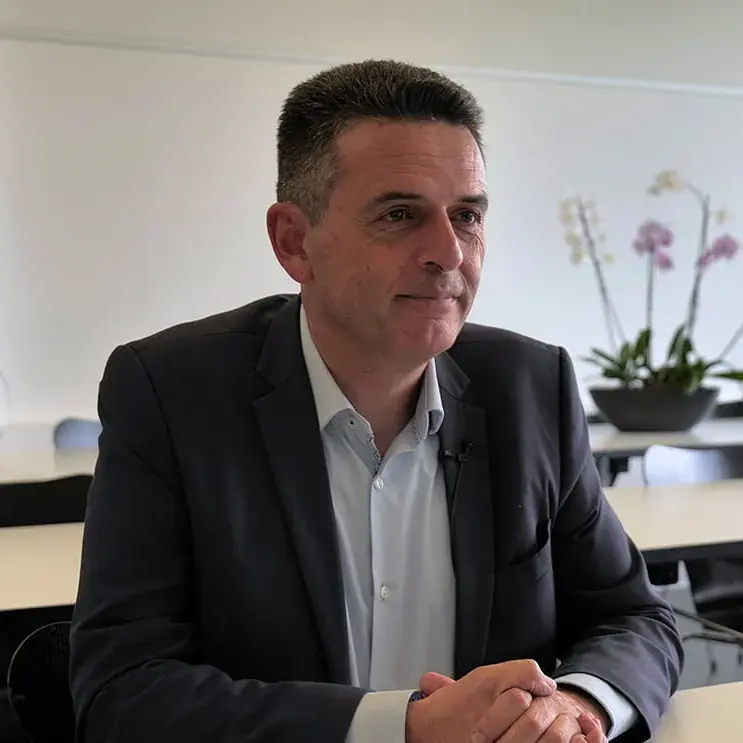
Prof. Markus Prandini, Kalaidos University of Applied Sciences, Zurich
“BrainE4 gave us valuable, innovative insights into our business.”