
More than an employee survey
Culture shows in everyday work: whether your best people stay, whether teams work well together, whether your measures land. In the Cultural Dialogue, your employees write anonymously, in their own words, what is on their minds and rate the contributions of others. You get more than the scores of an employee survey: a ranking of what carries your company culture, what holds it back and where to start. You also get a decision matrix of importance and consensus with the actions your employees propose themselves.
for HR and leadership
A one-to-one with every employee at once.
Only without the hierarchy that shapes what gets said.
You learn what is on your people's minds right now, including what you would never have thought to ask.
The Cultural Dialogue shows anonymously what really matters in day-to-day work, and in what order.
Culture Assessment
After every employee survey comes the question: Now what? Your people show you anonymously what they value, what holds them back and where your effort pays off, in a clear ranking.
Mission Statement Builder
Most mission statements hang on the wall. Yours contains your people’s own sentences: the workforce contributes what defines the organization and ranks it themselves, whether for a new mission statement or a revised one.
Reputation Assessment
More credible than any campaign is what your employees say about you outside. You learn what that is and what turns them into convinced ambassadors.
Change-Cockpit
In the meeting, everyone nods. Whether your change arrives in everyday work, your people show you anonymously: what helps them, what slows them down and where you need to adjust. Once at the start and again after a few months, so you can see what has moved.
Frequently Asked Questions
What is the difference between a Cultural Dialogue and an employee survey?
A survey uses scales to show where things stand. In the Cultural Dialogue, employees write in their own words what is on their minds and weigh each other's contributions in head-to-head comparisons. You get the strongest arguments and the reasons behind them, and you see which explanation the workforce actually shares.
How does a Cultural Dialogue work, and how long does it take?
After a three-hour strategy workshop, the dialogue space is ready within 48 hours. The dialogue runs for 21 days. BrainE4 moderates daily, analyzes the results and writes the report. You approve the communication.
How many employees take part?
Typically 70 to 90 percent of employees and 60 to 80 percent of managers. Participants need about ten minutes over the entire period, at any time of day. At SOCAR, two dialogues ran in parallel: one for around 700 employees at the service stations and one for about 100 in administration.
Is participation anonymous?
Yes. You see arguments, rankings and breakdowns by group, never individual people. The dialogues comply with the Swiss FADP and the GDPR.
Can we analyze results by department or location?
Yes. BrainE4 compares departments, locations or criteria you define yourself. You see where a position holds and where it falls apart.
Can we keep tracking our existing metrics?
Yes. Closed questions such as Likert scales or the Net Promoter Score can be added, for example to continue an existing time series. The metric shows where you stand. The idea duel shows the reasons behind it.
What if something comes up that we didn't expect?
Then you know it first. The results come to you first, and you decide what to communicate and when. Every contribution is reviewed before it goes live, and nobody sees names. What concerns your workforce is there anyway. Better to know it before it makes the rounds.
Doesn't the dialogue raise expectations we can't meet?
No, because everyone sees what prevailed. What many support rises to the top, not what a few demand. You decide what to implement. We deliver the feedback to your employees ready to send.
What does a Cultural Dialogue cost?
You receive a quote with a binding cost ceiling in advance. The scope depends on the number of questions, the number of employees and the languages. Plus the Insight Guarantee: on average across all questions, at least five of the top 10 are new to you.
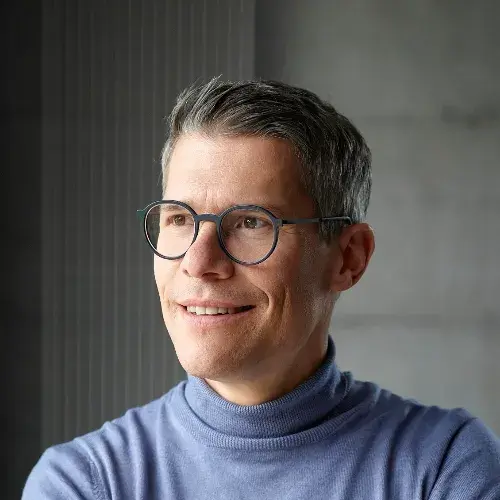
Philipp Senn, Head of Communications and Public Affairs, Nagra
“Some passages from the inputs are now in the new mission statement word for word. That’s a very strong signal back to the workforce.”
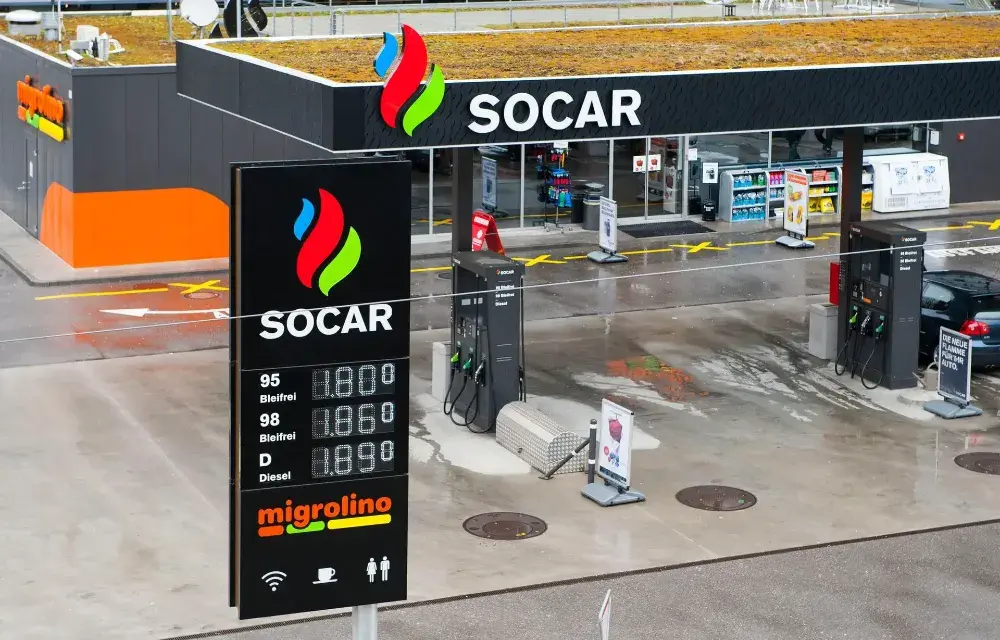
Claudia Kilchherr, Director Business Services & Tanja Hegglin, Head of HR, SOCAR
“The question of public transport subsidies is currently being intensively discussed in management and with HR.”
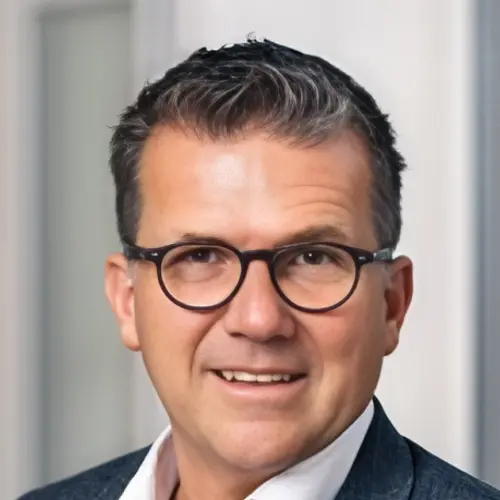
Edgar Bachmann, CEO, SOCAR Switzerland
“I don’t have the best ideas alone. They come to me through exchanges with others, in conversations, and in discussions.”
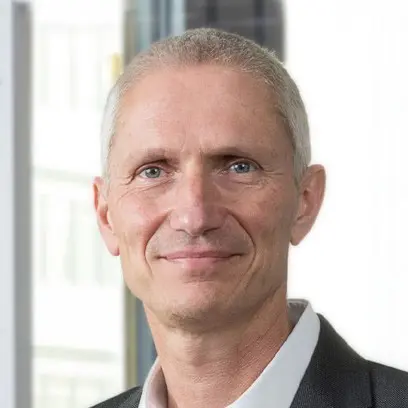
Thomas Geier, CFO, Aveniq, Zurich
“For us this is significantly more efficient than a classic survey and at the same time incredibly simple and intuitive.”